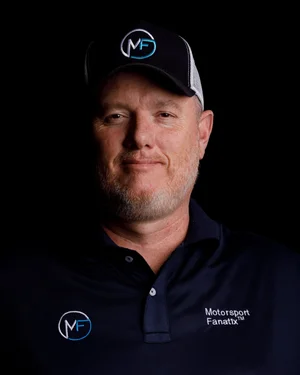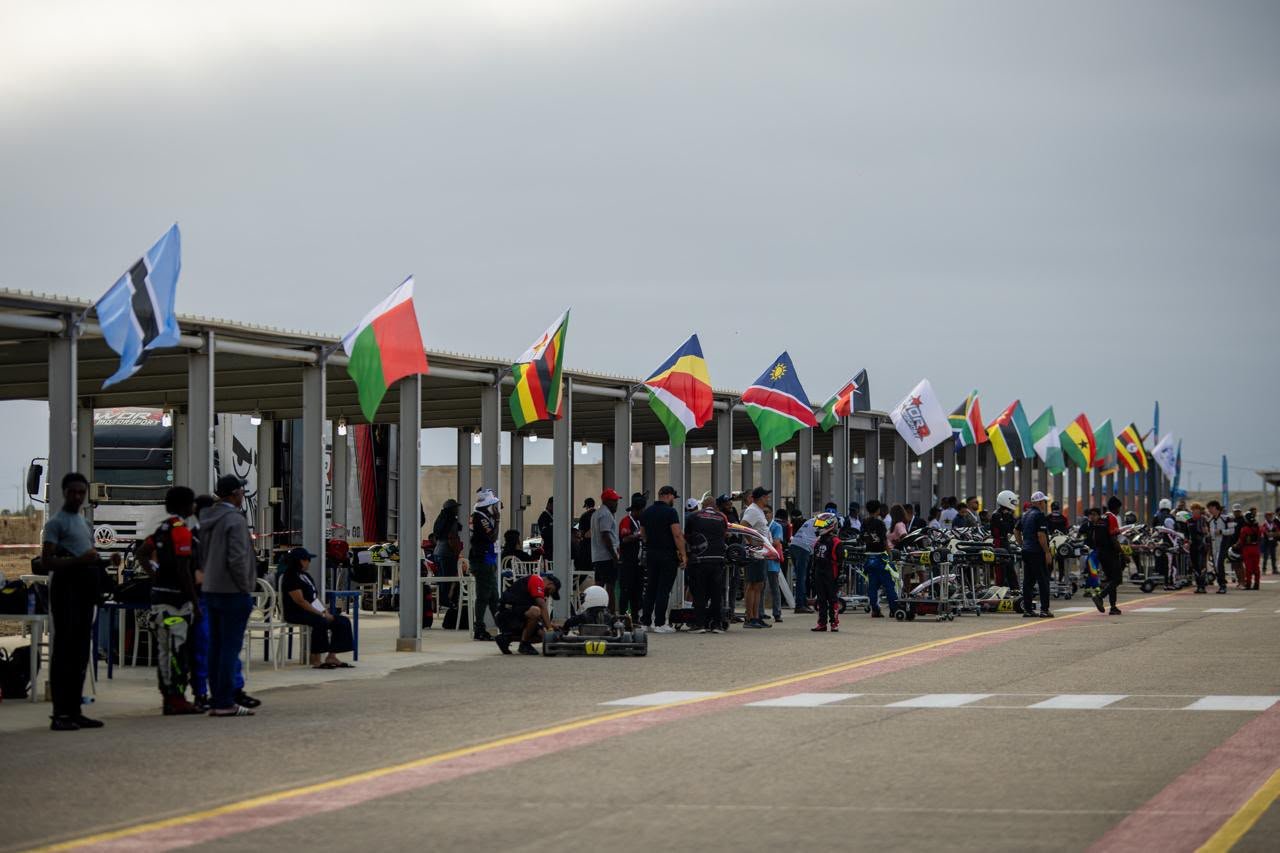
Bringing a karting championship to life across Africa involves a great deal of preparation between race weekends. For Wesleigh Orr and the Karting Africa team, the work towards 2027 is also an opportunity to lay foundations for the years that follow.
Preparing karts and engines is one part of the process. Visiting circuits, developing relationships with local organisers and arranging the equipment and transport needed for each event all contribute to the wider programme.
Orr puts the projected investment at close to €1.5 million. That figure reflects the scale of the programme the team is working towards, with equipment and infrastructure intended to support its longer-term development.
The aim is to build step by step, combining continental competition with skill development and local relationships that can support motorsport across Africa.
Building the Fleet Before the Grid
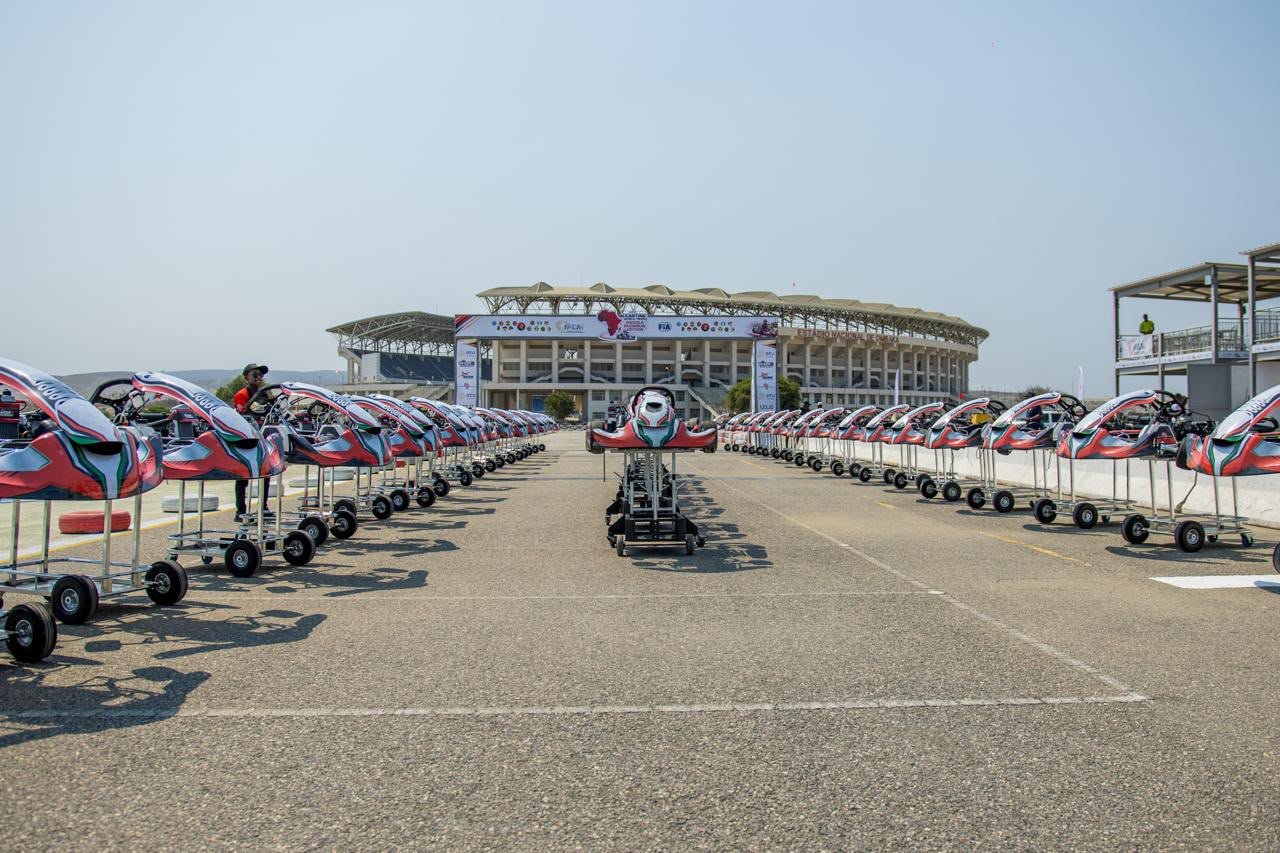
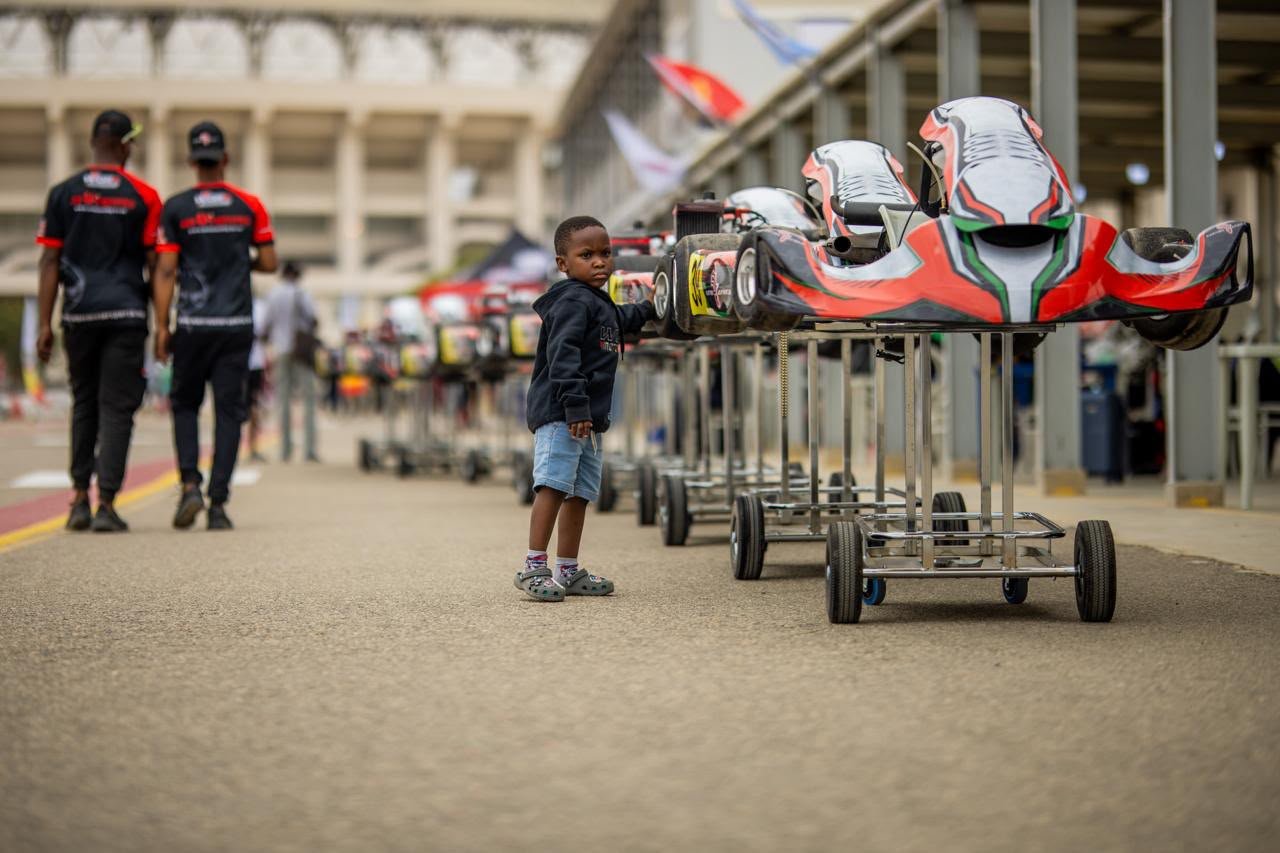
The Angola showrun provides an early example of the preparation involved. Orr puts the equipment investment for that event at approximately US$507,000, covering 40 chassis, 40 engines, kart trolleys and spares. The equipment is intended to carry forward into the continental series.
The expansion plan calls for a 90-kart fleet across Mini, Junior and Senior, including reserve machinery. With 40 karts recorded as purchased and another 50 listed as on order, that programme is still taking shape.
The standardised equipment approach also needs support. Orr lists headquarters and workshops, tooling, an engine dyno and dyno room, two race trucks and two vans among the infrastructure already available to the project.
The planned timing and data provision includes one unit per kart, with an indicative budget of approximately US$100,400 for 90 units. Camera systems are also planned to help race officials monitor driver conduct. Both are listed among the equipment still to be acquired.
Supporting requirements include laptops and data systems for race control. The plan also provides for cameras and live-stream equipment for event coverage.
These assets give the programme a base from which to prepare equipment and transport it to events. Maintaining that equipment, carrying replacement parts and having people able to service it remain continuing responsibilities.
Moving a Championship Across the Continent
A travelling fleet brings costs that continue between race weekends. Packing, loading, and road freight require planning alongside customs arrangements, cargo insurance, and the time vehicles spend travelling.
Orr’s indicative operating budgets illustrate the scale of three of those requirements:
Selected organiser cost
Approximate budget per event
Karting Africa staff: US$39,000
Freight: US$33,400
Track inspection and pre-event staffing visits: US$8,900
These are indicative budgets for selected operating requirements. They describe future costs and do not represent a complete budget per round.
Tyres, fuel, maintenance, and replacement parts must also be provided for. An event budget must cover the work of keeping the equipment usable, as well as the effort of getting it to the circuit.
The logistics plan must also suit each destination. Road transport is the intended option where practical on mainland routes, while other destinations may require a different freight solution. Border processes and journey times have to be built into the schedule.
What the Entry Fee Actually Covers
For participating families, the immediate question is what they will pay. Karting Africa’s published 2027 conditions set out the following entry fees:
Class Per round All five rounds
Mini US$2,800 US$14,000
Junior US$3,500 US$17,500
Senior US$3,500 US$17,500
The package includes the kart, engine, race entry, fuel and tyres. Drivers pay separately for crash damage, chain lubricants, sprockets, cleaning materials, travel and accommodation. Each driver must also bring a mechanic.
The entry fee is therefore only part of a family’s participation budget. Comparing the package with buying and transporting equipment requires considering those additional expenses too.
A Karting Africa race suit is offered free when a driver enters all five events at the beginning of the year. The published terms should remain the reference for those conditions.
Why the Work Starts Between Events
Orr also wants readers to understand the groundwork involved in travelling around Africa, visiting tracks and meeting the people who would help deliver the championship.
That work gives organisers the opportunity to assess facilities and establish what support a venue needs. Workshops and paddock space, communications, local staffing and event arrangements all have to fit the proposed operation.
The inspection budget reflects that preparation. A visit before an event creates an opportunity to identify requirements early and agree responsibilities with local organisers. Building those working relationships is part of the investment, even when the results are less visible than a new kart or support truck.
Building Skills That Stay in Africa
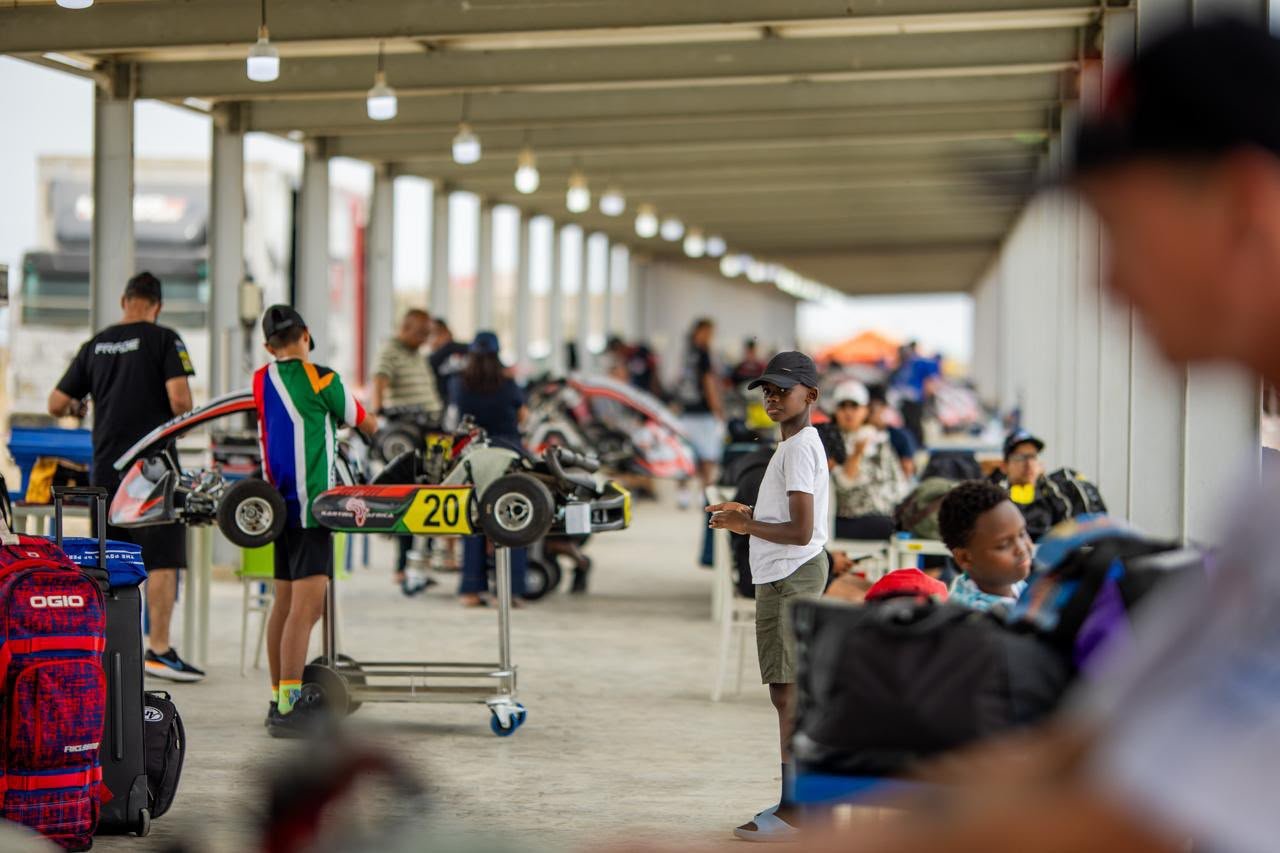
The longer-term development aim extends to people working alongside the drivers. Karting Africa describes training for mechanics, officials and marshals, together with support for national karting programmes, as part of its pathway.
Its published conditions offer inexperienced mechanics a three-day course at the circuit before an event. The course fee remains to be announced.
The intended benefit is practical. A mechanic who develops skills through the programme could take that knowledge back to a local team or club. Training officials and helping organisers develop experience could similarly support national competition between continental rounds.
Those development goals will need to be demonstrated over time. The number of people trained, their continued involvement and the strength of local programmes would help show whether the investment is having the intended effect.
A Stronger Africa Starts at Home
For South African karting, a continental championship offers an opportunity to explore how a wider African competition could support racing at home. It could give drivers another level to progress towards, alongside continued involvement in clubs, regional series and national championships.
For families balancing domestic and continental racing, time and budgets remain important considerations. Cooperation with national programmes could help the project complement racing at home, while local mechanics, officials and organisers also benefit from continental experience.
The longer-term aim is broader participation in African motorsport and more reasons for people to stay involved. Stronger national programmes would provide a healthier foundation for continental competition, giving both levels a shared interest in steady development.
Making the Programme Last Beyond Launch
A viable business model can support a development purpose. A championship that offers ongoing opportunities needs to cover its costs, maintain its equipment, and pay the people delivering it. Financial sustainability creates the prospect of returning for another season and investing in the next stage.
Clear fees and consistent delivery can help participating families plan with confidence. Over time, the programme’s value can be assessed by the quality of the competition and the opportunities it creates, as well as its ability to continue operating.
Taking Practical Steps Towards Lasting Change
Orr’s message is to build step by step. Equipment bought for an early event can support a later season. Relationships established during a circuit visit can develop into ongoing cooperation. Skills gained through one programme can support the next.
Confidence in African motorsport can grow through that practical work: well-run events, reliable delivery and people gaining experience. The planned investment described by Orr is intended to provide the equipment and support the project needs to demonstrate its value.
“For things to change someone has to take the risk,” says Orr.
For Orr and his team, taking that risk means giving the idea an opportunity to develop. Progress will depend on delivery, with experience from each step shaping what comes next.
The approach reflects Orr’s belief that change starts with someone willing to begin. The aim is to learn from each step and build a programme that gives African talent more opportunity and can keep growing.
For more information, visit www.kartingafrica.com.